Compost for Your Garden: How to Use It Effectively
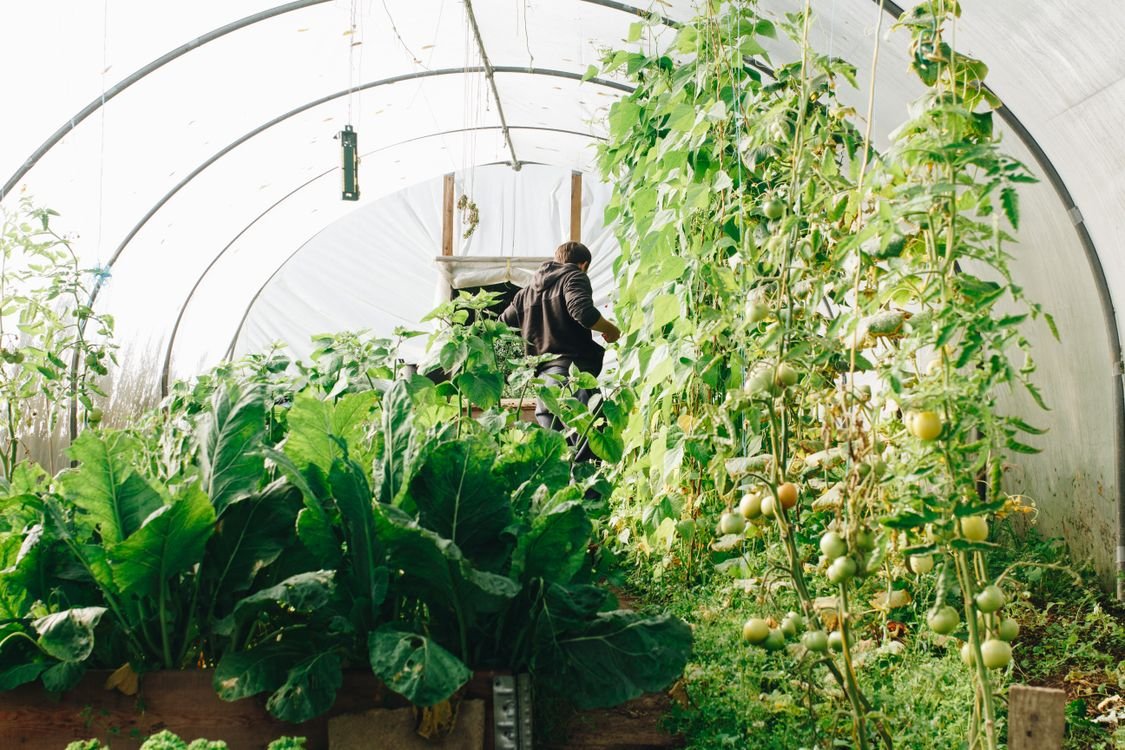
You’ve made or purchased compost—now what? Many gardeners know compost is good but aren’t sure exactly how to use it for maximum benefit. If you’re still in the setup phase, our beginner’s guide on how to start composting at home covers everything from bin selection to the right green-to-brown ratio. This guide covers every application method—from topdressing lawns to filling raised beds to starting seeds—so you can get the most value from this remarkable soil amendment.
What Compost Does (and Doesn’t Do)
Before diving into application, it helps to understand what you’re working with.
Compost does:
- Add organic matter that improves soil structure (drainage in clay; moisture retention in sand)
- Feed soil biology—the bacteria, fungi, and earthworms that support plant health
- Provide slow-release macro and micronutrients
- Suppress some soil-borne diseases through competitive microbial activity
- Buffer soil pH toward the neutral range
- Improve root penetration and water infiltration
Compost doesn’t:
- Replace fertilizer entirely in high-demand situations (vegetable gardens, lawns)
- Act as fast as synthetic fertilizer—release takes weeks to months
- Dramatically change soil pH (use lime or sulfur for pH adjustment)
- Solve severe structural problems in a single application
Types of Compost and Their Uses
Finished garden compost: Dark, crumbly, earthy-smelling. Suitable for all applications. The more diverse the source materials, the better the nutritional profile.
Mushroom compost: A byproduct of mushroom farming; excellent organic matter and nutrient content. Slightly alkaline—good for slightly acidic soils; use carefully in already-alkaline soils.
Composted manure (cattle, chicken, horse): High nitrogen; excellent for heavy-feeding crops and lawns. Use well-composted manure only—fresh manure can burn plants and contain pathogens.
Worm castings (vermicompost): The most concentrated and biologically rich form of compost. Excellent in small quantities; expensive to buy in large quantities.
Leaf mold: Composted leaves; excellent for soil structure and moisture retention; lower nutrients than other composts; excellent mulch material.
Application 1: Topdressing Lawns
Compost is an excellent lawn amendment that improves turf quality without the risks of synthetic fertilizers.
When to topdress: Fall is ideal for cool-season grass (coincide with aeration and overseeding); late spring for warm-season grass.
How to apply:
- Mow at a low setting
- Aerate the lawn if possible (dramatically improves compost penetration)
- Spread ¼–½ inch of compost evenly across the lawn (don’t apply more than ½ inch per session)
- Work compost into the thatch and soil surface with the back of a leaf rake or a drag mat
- Water lightly to help compost settle
Rate: ¼–½ inch per application. For a 1,000 sq ft lawn, this equals approximately ½–1 cubic yard of compost.
Frequency: Once or twice per year.
Benefits: Improves soil structure; feeds soil microbes; contributes the equivalent of roughly ½ pound of nitrogen per 1,000 sq ft per season.
Application 2: Vegetable and Annual Flower Gardens
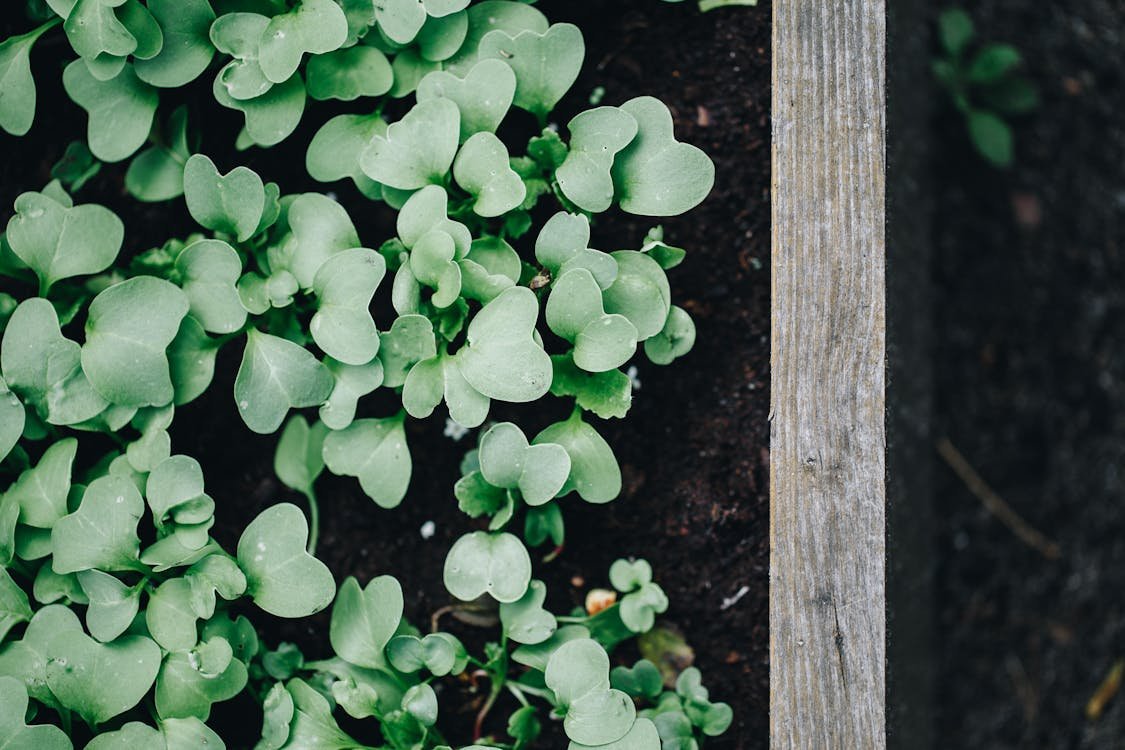
Vegetable gardens are the highest-need application for compost because vegetables are heavy feeders that need maximum soil fertility.
New beds: Add 3–4 inches of compost and work it 12 inches deep into the native soil. This is a significant investment but transforms poor native soil into excellent growing medium.
Established beds (annual topdressing): Apply 2–3 inches of compost each spring or fall. Till or fork lightly into the top 4–6 inches. Over years, this builds deep, rich soil.
Per-hole application: Add a shovelful of compost to each planting hole when transplanting tomatoes, peppers, or other heavy feeders.
During the season: Compost can be applied as a side-dressing around growing plants—about 1 inch applied around the drip line (edge of the leaf canopy), keeping it away from the stem. Water in afterward.
Application 3: Raised Bed Filling and Maintenance
Initial fill: Compost should be 30–40% of your initial raised bed soil mix. Combined with topsoil and drainage amendment (perlite, coarse sand), this creates an excellent growing medium. If you’re just getting started with a raised bed, our step-by-step guide on how to build a raised garden bed walks you through construction and filling.
Annual replenishment: Raised bed soil loses volume and fertility as organic matter decomposes. Add 2–3 inches of compost each spring and fall to maintain soil volume and nutrition.
Compost-only beds: Some gardeners fill raised beds entirely with compost (or a compost-heavy mix). This works but requires attention to drainage—pure compost can compact and retain too much water in wet climates.
Application 4: Perennial Borders and Shrubs
New plantings: Mix compost into the planting hole at 25–30% of the total volume. Don’t go higher—too much rich organic matter in a localized hole can keep roots from growing outward into native soil.
Established plantings: Apply 1–2 inch layer of compost as mulch around perennials and shrubs annually in fall or spring. Keep compost 2–3 inches away from plant stems. It will slowly work into the soil.
Under trees: Topdress 1–2 inches of compost over the root zone (out to the drip line) annually. This feeds the tree, improves soil biology, and reduces the need for other fertilizers.
Application 5: Seed Starting
For seed starting mix: Use finely screened, finished compost at 20–30% of your seed starting mix. More than this can create a mix too rich for seeds—seedlings in very high-nitrogen mixes often become leggy and disease-prone.
Recommended seed starting mix: 40% peat moss or coco coir + 30% perlite + 30% fine compost.
Do not use unfinished compost for seed starting—the microbial activity in unfinished compost can produce compounds that inhibit germination.
Application 6: Compost Tea
Compost tea extracts beneficial microorganisms and soluble nutrients from compost into water, creating a liquid drench or foliar spray.
How to make basic compost tea:
- Fill a 5-gallon bucket with water (let tap water sit 24 hours to off-gas chlorine)
- Add 1–2 cups of finished compost
- Aerate with an aquarium pump for 24–48 hours (or stir vigorously without aeration for simpler extract)
- Strain and apply immediately (microbial activity declines rapidly)
Applications:
- Soil drench: Water in at the base of plants to introduce soil microorganisms
- Foliar spray: Diluted compost tea sprayed on leaves can suppress some foliar diseases through competitive exclusion
Results: Modest but real improvement in plant vigor and disease resistance. More of a complement to good practices than a standalone solution.
How Much Compost Do You Need?
Calculating volume:
- 1 cubic yard = 27 cubic feet
- A 2-inch application over 1,000 sq ft = about 6.2 cubic yards
Convenient formula: Square footage × depth in inches ÷ 12 = cubic feet needed. Divide by 27 for cubic yards.
Buying tips:
- By the bag: 2-cubic-foot bags are standard; check the cubic feet on the label
- In bulk: Much more economical for large applications; sold by the cubic yard
- Ask about sources: Compost from mixed organic matter has broader nutritional diversity than single-source products
Compost Quality Check
Good finished compost:
- Dark brown to black color
- Crumbles easily; not clumped or slimy
- Earthy smell (like forest floor); not rotten or ammonia-like
- No recognizable original materials
- No excessive heat (finished compost has completed active decomposition)
Immature (unfinished) compost:
- Contains recognizable material
- May smell sharp or ammonia-like
- May be excessively hot
Use immature compost only in beds that won’t be planted for 4–6 weeks, or as a surface mulch where plant roots won’t be in direct contact.
Compost is one of the most versatile and beneficial materials in the gardener’s toolkit. Consistent, annual application to lawns, gardens, and beds produces cumulative improvements that synthetic fertilizers can’t match—building the soil biology that supports a truly healthy, sustainable garden ecosystem. To complement compost with targeted soil fixes, see our guide to the best soil amendments for lawns and gardens.