How to Build a Raised Garden Bed (Step-by-Step)
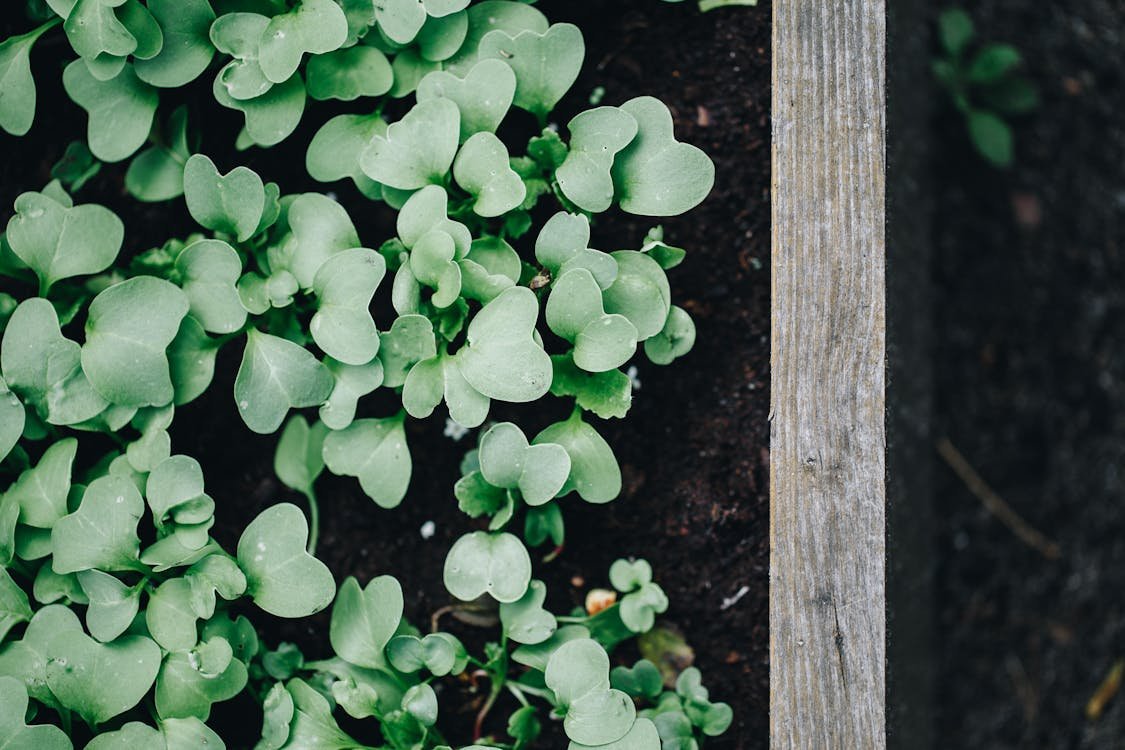
Raised garden beds are one of the most rewarding investments you can make in your yard. They provide excellent drainage, warm up faster in spring, allow precise control over soil quality, reduce weeds, and make gardening more accessible. Best of all, a basic raised bed can be built in an afternoon with a few tools and readily available materials.
Why Build a Raised Garden Bed?
The advantages of raised beds over in-ground gardening are substantial:
- Superior drainage: Water drains freely rather than puddling around roots
- Better soil control: You fill with exactly the right soil mix rather than working with whatever native soil you have
- Fewer weeds: Deep weed seed banks in native soil are bypassed; fewer weed seeds blow into raised beds
- Warmer soil: Elevated beds warm up 2–4 weeks earlier in spring than in-ground beds
- No compaction: You never walk in the bed, so soil stays loose and aerated
- Accessibility: Easier to work without bending as far; can be raised higher for wheelchair access
- Better pest control: Gopher/mole protection with hardware cloth bottom; slug barriers possible at edges
Planning Your Raised Bed
Location
Sunlight: Most vegetables need 6–8 hours of direct sun per day. Choose the sunniest location available. If you have a west-facing slope, all the better—extra afternoon sun warms the soil.
Water access: Locate beds where they can be easily reached by a garden hose or drip irrigation. Raised beds dry out faster than in-ground beds and need regular watering.
Proximity to your kitchen: The closer your herb and vegetable garden is to the door, the more you’ll use it. Convenience matters.
Level ground: Choose a relatively level location; building on a slope requires more complex construction to keep beds level.
Size
Width: Keep beds no wider than 4 feet so you can reach the center from either side without stepping in — a key design principle also emphasized in the University of Minnesota Extension’s raised bed guide. For beds accessible from only one side (against a wall or fence), keep width to 2 feet.
Length: Any length works, but 8–12 feet is manageable. Longer beds are fine but require more material to fill.
Height: Standard beds are 6–8 inches tall, which is sufficient for most vegetables. 12–18 inches is better for deep-rooted crops (carrots, parsnips) or for gardens accessible to people who struggle to bend. 24–36 inches is for accessible or ADA-compliant gardening.
Material Selection
Cedar: The classic choice—naturally rot-resistant, attractive, relatively lightweight. Expected lifespan: 10–20 years. More expensive than pine.
Redwood: Beautiful and naturally rot-resistant; more expensive than cedar and less widely available.
Untreated pine or fir: Less expensive; lasts 5–7 years before rotting. Fine for gardeners on a budget who accept replacing beds eventually.
Douglas Fir: Strong and relatively affordable; lifespan between pine and cedar.
Lumber to AVOID: Pressure-treated lumber older than 2003 may contain arsenic (CCA). Modern pressure-treated lumber (post-2003) uses copper-based preservatives (ACQ or CA) considered safer, but many gardeners still avoid direct soil contact with any treated lumber for food production.
Galvanized metal (Corten steel): Increasingly popular; modern, durable, no rot concerns. More expensive but lasts decades. Does not affect soil chemistry.
Recycled/composite lumber: Plastic-wood composite decking material works well; rot-proof and durable. More expensive upfront.
Materials You’ll Need (for a 4x8x8-inch bed)
- (2) 2x10 x 8-foot boards (sides)
- (2) 2x10 x 4-foot boards (ends), OR cut one 8-foot board in half
- (4) 4x4 corner posts, 10 inches long (optional but strengthens structure significantly)
- 2-inch galvanized deck screws or exterior wood screws
- Hardware cloth, ¼-inch mesh (optional, for bottom to deter burrowing pests)
- Cardboard (to layer over grass before filling)
- Soil mix (approximately 24 cubic feet for a 4x8x8-inch bed)
Tools needed: Drill/driver, circular saw or miter saw (or have lumber cut at the store), tape measure, square, staple gun (if using hardware cloth). See our guide to the essential garden tools every homeowner needs before you begin.
Building the Frame: Step-by-Step
Step 1: Cut Lumber
For a 4x8-foot bed using 2x10 boards:
- 2 boards at 8 feet (long sides)
- 2 boards at 3 feet 9 inches (ends, to account for the 1.5-inch thickness of each side board) OR just cut to 4 feet and butt the corners
Most lumber yards and home improvement stores will cut lumber to length for a small fee, saving you time and equipment.
Step 2: Mark and Lay Out the Bed Location
Place the boards on the ground roughly where you want the bed. Use a tape measure and square to ensure corners are square (or use the 3-4-5 triangle method: measure 3 feet on one side, 4 feet on the adjacent side—the diagonal should be exactly 5 feet if the corner is square).
Step 3: Assemble the Frame
Pre-drill holes to prevent splitting. Drive 2 screws through the side boards into the ends at each corner. For added strength, attach corner posts (cut 4x4 lumber into 10-inch stakes):
- Stand the boards on edge
- Place a corner post inside each corner
- Drive 2 screws from each board into the post
The corner posts also serve as anchors to drive into the ground.
Step 4: Level the Bed
Place the assembled frame in its permanent location. Use a level to ensure the bed sits level in both directions. Adjust by digging into the high side or shoring up the low side with soil. If using corner posts, drive them 3–4 inches into the ground to anchor the bed.
Step 5: Add Bottom Protection (Optional but Recommended)
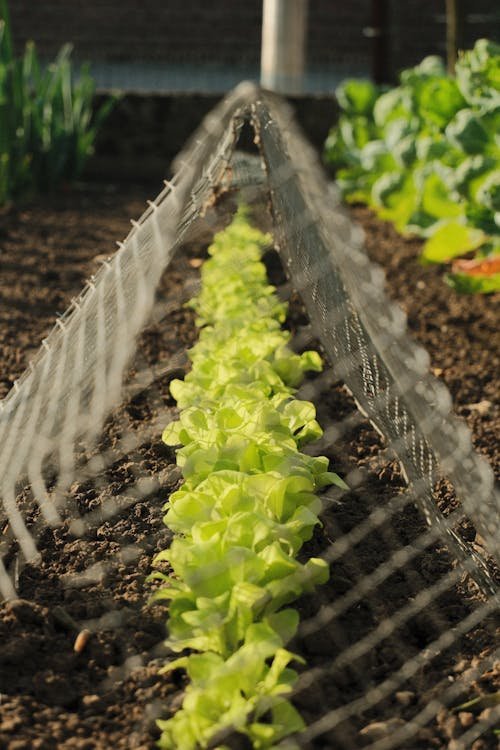
Hardware cloth bottom: Staple ¼-inch hardware cloth to the bottom frame before placing it on the ground. This prevents gophers and moles from entering the bed from below. Overlap pieces by 3–4 inches and fold edges up the sides several inches.
Cardboard layer: Lay overlapping pieces of cardboard over the grass or weeds where your bed will sit. This kills the underlying vegetation through light deprivation over the next few weeks without chemicals. Cardboard breaks down and eventually improves soil.
Step 6: Fill with Soil
This is where most of the cost goes—good soil is worth every penny. For a detailed breakdown of what to use, see our guide to the best soil for raised vegetable garden beds.
The Mel’s Mix recipe (excellent for raised beds):
- ⅓ vermiculite (for drainage and aeration)
- ⅓ peat moss or coco coir (for moisture retention and organic matter)
- ⅓ finished compost (for nutrients and biological activity)
Alternative simplified mix:
- 60% quality topsoil
- 30% compost
- 10% perlite or coarse sand
For a 4x8x8-inch bed, you’ll need approximately 21–24 cubic feet of soil mix.
Fill to the top—soil will settle 1–2 inches after watering. Water the filled bed before planting to check for settling; add more mix if needed.
Planting Your Raised Bed
Spacing: Raised bed gardening often uses square-foot gardening principles—plant more densely than row gardening since you never compact the soil by walking in it. This maximizes productivity per square foot.
Crop rotation: Even in a raised bed, avoid planting the same family of vegetables in the same spot two years in a row. If you’re starting a vegetable garden from scratch, raised beds give you the best foundation. Rotate nightshades (tomatoes, peppers, eggplant), brassicas, legumes, and root vegetables across different beds or sections.
Irrigation: Consider installing drip irrigation before planting—it’s much easier before the bed is full of plants. Soaker hoses or drip tape deliver water directly to roots with minimal evaporation.
Raised Bed Maintenance
Water regularly: Raised beds drain better than in-ground gardens—they dry out faster. Check soil moisture daily during summer; water when the top inch feels dry.
Replenish soil: Add 2–3 inches of compost to the bed each spring or fall. Soil volume decreases over time as organic matter decomposes.
Mulch: Apply 2 inches of straw, wood chip, or shredded leaf mulch between plants to retain moisture, suppress weeds, and regulate soil temperature.
Feed the soil: Even with rich soil mix, regular compost additions and occasional fertilizer applications keep the bed productive.
A well-built raised bed will produce vegetables, herbs, or flowers more abundantly than any equivalent in-ground garden space. Once it’s built, choosing the best vegetables to grow at home is the next satisfying step. Take the time to build it right, fill it with excellent soil, and maintain it through the seasons—the returns in fresh food and garden satisfaction are remarkable.