Best Vegetables to Grow at Home (Beginner Friendly)
Not all vegetables are created equal for the home gardener. Some are finicky, disease-prone, space-hungry, or require months of patience before yielding anything. Others produce abundantly with minimal fuss, rewarding even complete beginners with satisfying harvests.
This guide focuses on the most beginner-friendly, productive vegetables for the home garden—organized by ease of growing and supplemented with practical tips for each.
Tier 1: Can’t-Fail Vegetables
These crops are almost universally successful for beginners and produce abundantly in a wide range of conditions.
Zucchini and Summer Squash
Why it’s great: Zucchini is genuinely difficult to fail with. Plant two or three seeds, give them full sun and regular water, and prepare to be overwhelmed with produce. One plant can produce 10–20 squash over a summer.
Key tips:
- Plant after all frost danger has passed; soil should be at least 60°F
- Direct-sow 1 inch deep; 3 seeds per hill, thin to 1–2 strongest plants
- Pick frequently when small (6–8 inches) for best flavor; over-mature squash reduces production
- Watch for powdery mildew on leaves in late summer—it’s normal and manageable
Space needed: 3–4 sq ft per plant (sprawling but productive)
Bush Beans
Why it’s great: Plant seeds, water, and harvest. Bush beans don’t need stakes or trellises, germinate quickly (5–7 days), and produce a concentrated harvest in about 50–55 days. A 10-foot row feeds a family for several weeks.
Key tips:
- Direct-sow only; beans don’t transplant well
- Plant after last frost; soil temp above 60°F
- Don’t over-water early; beans are susceptible to root rot in wet soil
- Plant succession crops every 2–3 weeks for extended harvest
Space needed: 4–6 inches between plants
Lettuce and Salad Greens
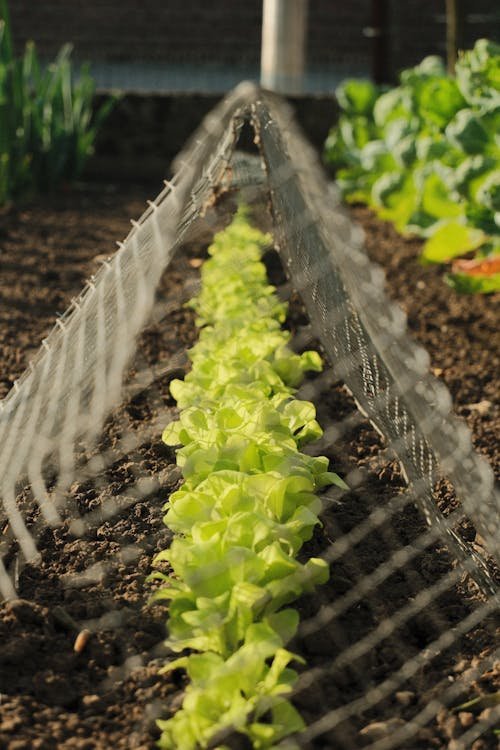
Why it’s great: Fast-growing (harvest in 30–45 days), cool-season crops that produce when the garden is otherwise quiet. Can be grown in small containers, window boxes, or in the ground. Our full guide on how to grow lettuce and salad greens covers every variety and technique.
Key tips:
- Plant in spring (4–6 weeks before last frost) and again in fall
- Direct-sow thinly; cover seeds lightly with ¼ inch of soil
- “Cut and come again”: harvest outer leaves and let the center continue growing
- Provide light shade in summer heat to prevent bolting
Varieties to try: Butterhead, Romaine, ‘Black Seeded Simpson’, mesclun blends
Radishes
Why it’s great: The fastest vegetable in the garden—some varieties are ready in 25 days from seed. Great confidence-builder for beginners.
Key tips:
- Plant in spring and fall (not summer—they bolt)
- Direct-sow ½ inch deep, thin to 2-inch spacing
- Harvest promptly when mature; they become pithy and hot if left too long
- Plant between slower crops (tomatoes, squash) as a space filler
Tier 2: Highly Rewarding with Minimal Skill
These crops need a bit more attention but pay back generously.
Cherry Tomatoes
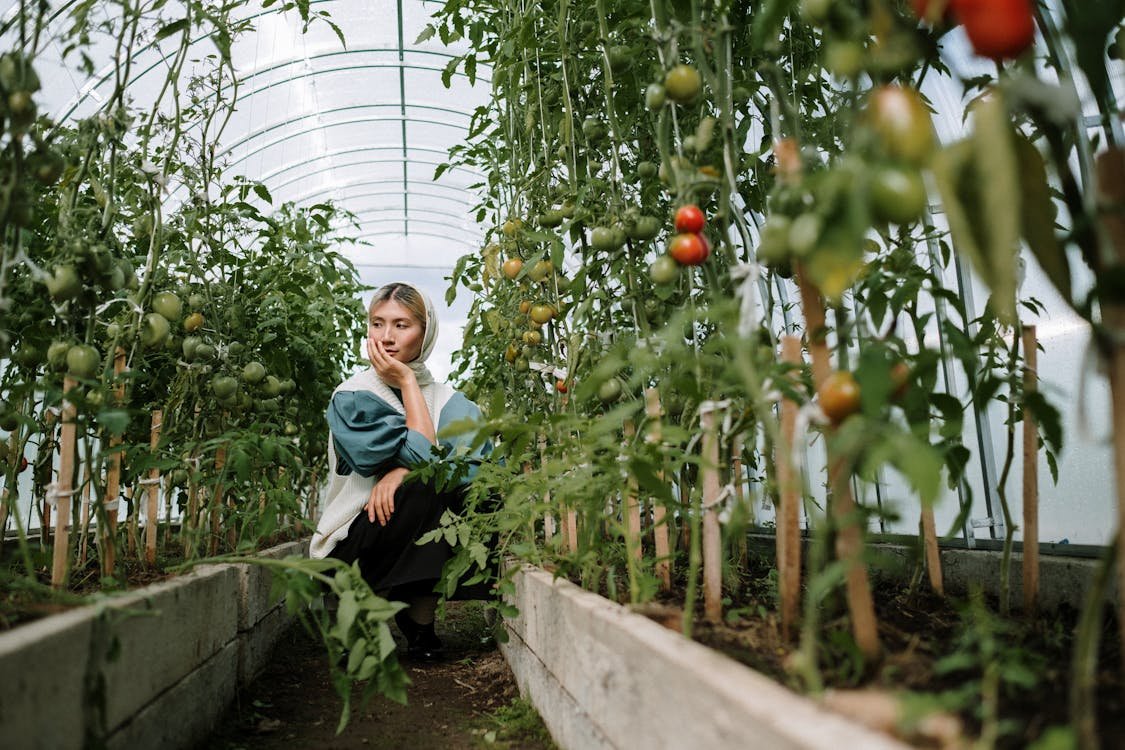
Why it’s great: Easier than large slicing tomatoes, faster to mature, and more productive. Cherry tomatoes are forgiving of imperfect conditions and still produce when full-sized varieties struggle. For everything from soil prep to harvest, read our complete guide on how to grow tomatoes.
Key tips:
- Buy transplants from a nursery; much easier than starting from seed
- Plant after last frost when soil is warm (65°F+)
- Stake or cage—cherry tomatoes still get large
- Fertilize every 2 weeks once flowers appear; use a fertilizer with calcium to prevent blossom-end rot
- Water consistently to prevent cracking
Varieties to try: Sungold (sweet, orange), Sweet Million, Black Cherry, Yellow Pear
Cucumbers
Why it’s great: Cucumbers produce abundantly and grow quickly once they get going. Few things are as satisfying as picking fresh cucumbers from your own garden in summer. See our detailed guide on how to grow cucumbers for trellising, watering, and harvesting tips.
Key tips:
- Plant after last frost; cucumbers hate cold
- Provide a trellis or cage—growing vertically improves air circulation and makes harvesting easy
- Water consistently; drought stress causes bitter cucumbers
- Pick frequently (every 2–3 days) to keep plants producing
Varieties to try: Marketmore 76, Spacemaster, Straight Eight (slicing); Calypso, National Pickling (pickling); English/Armenian (mild flavor)
Herbs: Basil, Parsley, Mint, Chives
Why it’s great: Herbs are among the highest-value home garden plants. A small pot of basil saves $3–$5 at the grocery store every week throughout summer. They grow easily and the harvest is immediate.
Key tips:
- Basil: loves heat, hates cold; plant after last frost; pinch flowers to extend leaf production
- Mint: very aggressive—grow in containers to prevent it from taking over
- Parsley: biennial; slow to germinate but very productive once growing
- Chives: perennial; plant once and harvest for years; beautiful purple flowers
Kale and Chard
Why it’s great: Extremely productive cool-season crops that are also one of the most nutritious foods you can grow. Can be harvested for months from a single planting.
Key tips:
- Plant 4–6 weeks before last frost in spring; again in late summer for fall harvest
- Harvest outer leaves, allowing the center to keep producing
- Kale actually improves in flavor after light frosts
- Tolerates partial shade better than most vegetables
Tier 3: Worth Growing with Some Experience
These vegetables are rewarding but need more attention to succeed.
Full-Sized Tomatoes (Slicing, Beefsteak, Heirloom)
Full-sized tomatoes need consistent fertilizing, disease management, proper staking, and regular care. They’re not difficult, but they’re less forgiving than cherry types.
Key tips:
- Bury the stem deep at planting (2/3 of the stem can be buried; roots form along the buried stem)
- Use cages or stakes before the plant gets large
- Remove suckers (optional for indeterminate varieties) to improve airflow
- Apply calcium-containing fertilizer to prevent blossom-end rot
Bell Peppers
Why they require more care: Peppers are slow to mature, need lots of heat, and often disappoints in cooler climates.
Key tips:
- Buy transplants; don’t start from seed unless you have 8+ weeks
- Plant in the warmest, most sun-drenched spot in your garden
- Be patient—peppers often produce more in late summer as heat accumulates
- Sweet peppers turn red, yellow, or orange when fully ripe (green is immature)
Broccoli and Cabbage
Cool-season crops that need timing and pest management (cabbage worms are their nemesis).
Key tips:
- Start indoors 6–8 weeks before last frost; transplant early
- Use row cover fabric to exclude cabbage moths before they lay eggs
- Harvest broccoli before flowers open; side shoots produce for weeks after the main head
What to Avoid as a Beginner
- Corn: Requires large plantings for pollination; space-inefficient in small gardens
- Melons and pumpkins: Need extensive space and consistent heat
- Artichokes: Multi-year investment in mild climates only
- Root vegetables in heavy soil: Carrots and parsnips need deep, loose soil to develop properly
Planning a Productive First Garden
A simple, highly productive beginner garden:
- 2 cherry tomato plants
- 1 cucumber plant on a trellis
- 1 zucchini plant
- 1 row of bush beans (8–10 plants)
- 1 small section of lettuce/salad mix
- A pot of basil
This tiny garden—fitting in two 4x4 raised beds—will produce more vegetables than most households can use throughout summer.
Start with these reliable, rewarding crops and let your first season build confidence. By year two, you’ll have both the knowledge and the enthusiasm to expand. For a full walkthrough of getting set up, see our guide on how to start a vegetable garden from scratch.