How to Grow Lettuce and Salad Greens at Home
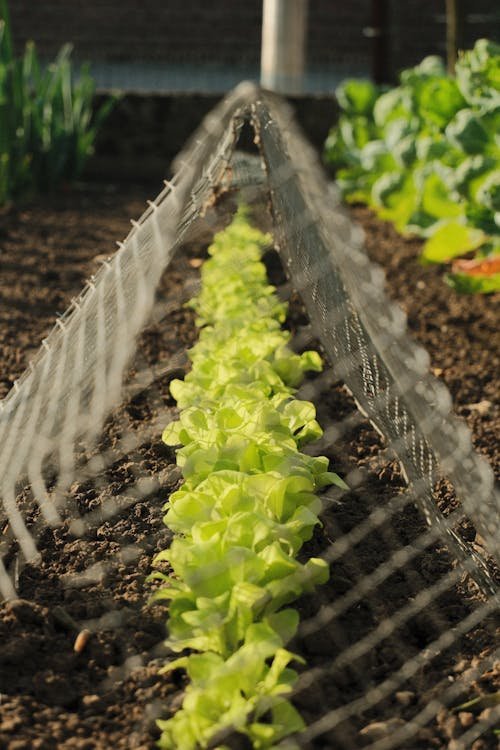
Lettuce and salad greens are among the most rewarding vegetables to grow at home. They’re fast (harvestable in 30–45 days), productive (one planting feeds a family for weeks), and genuinely superior in flavor to anything from the store—making them a top pick in any list of the best vegetables to grow at home. And because they’re cool-season crops, they produce when the rest of the garden is quiet—filling your salad bowl in spring and fall.
Why Grow Your Own Salad Greens?
- Freshness: From garden to bowl in minutes—peak nutrition and flavor
- Variety: Access to dozens of varieties unavailable in stores (oak leaf, freckles, merlot, and hundreds of others)
- Economy: A $3 seed packet produces pounds of salad mix worth $30+ at grocery prices
- Space-efficient: Can be grown in very small spaces, containers, or window boxes
- Year-round potential: With cold frames or row covers, lettuce can be grown almost year-round in many climates
Lettuce Types
Butterhead (Bibb/Boston): Loose, tender heads; soft, buttery texture; excellent mild flavor. Varieties: Buttercrunch, Tom Thumb, Nancy.
Loose-leaf (cutting lettuce): No firm head—harvest individual leaves. Fastest to mature; easiest to grow. Varieties: Black Seeded Simpson, Red Sails, Oakleaf, Lollo Rossa.
Romaine (Cos): Upright heads; crisp, sturdy leaves; holds up well in salads and cooking. Varieties: Paris Island Cos, Jericho, Little Gem.
Crisphead (Iceberg): Firm, tightly packed heads; needs long cool season; most demanding. Varieties: Great Lakes, Summertime.
Mesclun mixes: Blended packets of multiple varieties and species—usually loose-leaf types, arugula, endive, and more. Easy and diverse.
Other Salad Greens Worth Growing
Arugula (Rocket): Peppery, distinctive flavor; extremely easy and fast (30 days); great for salads and pizza. Direct-sow; harvest when 3–4 inches.
Spinach: Mild, versatile; prefers cool weather; excellent spring and fall crop. Varieties: Bloomsdale Long Standing, Tyee, Space.
Kale: Not traditional salad territory but baby kale leaves are excellent. Easy to grow; very cold-hardy; can be grown almost year-round in mild climates.
Sorrel: Lemony-tart perennial; low maintenance once established; adds great flavor to salads.
Mâche (Corn Salad): Extremely cold-hardy; mild, nutty flavor; grows through winter in mild climates.
When to Plant
Lettuce is a cool-season crop. Heat causes it to “bolt” (go to flower), which makes the leaves bitter and signals the end of the harvest.
Spring planting: Start 4–6 weeks before your last frost date. Lettuce can handle light frosts; seeds germinate in soil as cold as 40°F (optimal is 60–70°F).
Summer gap: In most climates, lettuce is difficult through the hottest weeks (June–August in most of the US). It’s worth trying heat-tolerant varieties (Jericho, Nevada, Muir) or growing in partial shade.
Fall planting: Plant again 6–8 weeks before your first fall frost. Lettuce tolerates frost well and is often sweeter after frost exposure. Row covers extend the season considerably.
Winter growing: In Zones 7+, lettuce can be grown through winter under row cover or in cold frames. In colder climates, cold frames allow December through March harvests.
How to Plant Lettuce
Direct Sowing
Lettuce is most often direct-sown—scattered directly in the garden rather than transplanted.
- Prepare a fine seedbed; remove large clumps and rocks
- Mix a tiny amount of seeds with sand to make spacing easier
- Scatter seeds thinly or space in rows; cover with just ⅛–¼ inch of soil (lettuce needs light to germinate)
- Water gently with a fine mist
- Thin seedlings to appropriate spacing when 1–2 inches tall
Spacing:
- Loose-leaf for cut-and-come-again harvest: 3–4 inches apart
- Butterhead and Romaine heads: 8–12 inches apart
- Mesclun mix: scattered densely; harvest when 4–6 inches tall
Starting Transplants
Starting lettuce indoors 3–4 weeks before transplanting gives you a jump on the season. Set transplants in garden 6–8 inches apart (head types) or 4 inches apart (loose-leaf).
Growing in Containers
Lettuce is one of the best container vegetables:
- Use a pot or window box at least 6 inches deep
- Fill with lightweight potting mix (not garden soil)
- Seeds scattered in a container produce a mini salad garden
- Harvest cut-and-come-again for weeks
- Container placement allows moving to shade during heat or frost
For a more permanent setup, a raised bed is ideal for growing lettuce—see our step-by-step guide on how to build a raised garden bed.
Succession Planting: The Key to Continuous Harvest
Single plantings of lettuce produce all at once, then bolt. Succession planting—starting new seeds every 2–3 weeks—maintains a continuous harvest all season.
Schedule for continuous lettuce:
- March 15: First planting (indoors or in cold frame)
- April 1: Second planting (outdoors)
- April 15: Third planting
- May 1: Fourth planting (last for spring in most climates)
- August 15: Resume for fall (from transplants or direct seed)
- September 1: Second fall planting
Watering
Lettuce is 95% water—keeping the root zone consistently moist is critical for quality. Stressed, thirsty lettuce bolts faster and develops a bitter flavor.
Water requirements: 1–1.5 inches per week; more in hot weather. Method: Keep soil consistently moist, not soaking. Mulch around plants to retain moisture and keep roots cool. Avoid: Wetting the crown of head lettuce (butterhead, romaine)—this invites rot. Water at the base.
Fertilizing
Lettuce is a leafy green and needs nitrogen for leaf production.
- At planting: Work compost into the bed; this is usually sufficient
- During growth: A light application of balanced liquid fertilizer every 2–3 weeks helps maintain fast, productive growth
- Avoid excessive nitrogen late in the season—it increases bolt tendency
Harvesting Lettuce
Cut-and-Come-Again Method
The most productive approach for loose-leaf types:
- When plants reach 4–6 inches, harvest with scissors, cutting 1–2 inches above the growing crown
- New leaves grow back; repeat harvest in 7–10 days
- Continue for 4–6 weeks until quality declines or heat causes bolting
Don’t cut too low: Cutting too close to the crown can damage the growing point. Leave at least 1 inch of growth.
Head Lettuce
Wait until head is firm and fully formed. Cut at soil level with a sharp knife. Butterhead heads left in the ground after the main head is cut will often produce smaller secondary leaves for additional harvest.
Signs of Bolting
When lettuce “bolts,” the center stalk elongates rapidly toward flowering. Signs:
- Central leaves become smaller and more pointed
- The plant “stretches” upward
- Bitter taste develops
Act quickly when you see this: Harvest everything as soon as bolting begins—flavor deteriorates rapidly. In fall, cooler temperatures halt bolting and quality improves.
Extending the Season with Row Covers
Floating row cover fabric (sold as Reemay, Agribon, or similar products) extends the lettuce season in both directions:
Spring: Cover plants during late frosts; allows planting 2–3 weeks earlier Fall: Protects from frost; extends harvest 4–6 weeks into cold weather Winter: In mild climates, two layers of row cover allow harvesting through winter
Cold frames (bottomless boxes with clear lids) provide even more protection—a cold frame essentially gives you a climate zone warmer and allows year-round production in many areas.
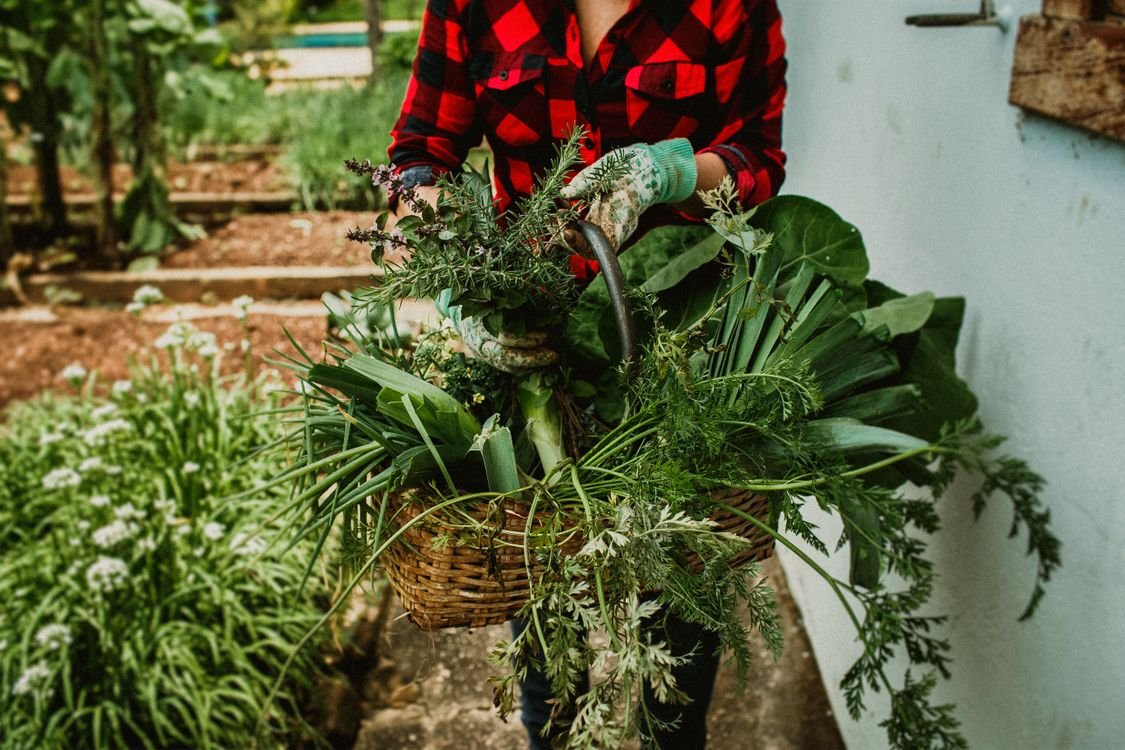
Growing lettuce and salad greens is one of the most accessible, productive, and immediately rewarding garden activities. Start small, succession plant, and enjoy fresh salads from your own garden through spring, fall, and beyond. Pair your salad bed with a kitchen herb garden and you’ll have everything you need for fresh meals steps from your door.