How to Start Composting at Home: Beginner's Guide
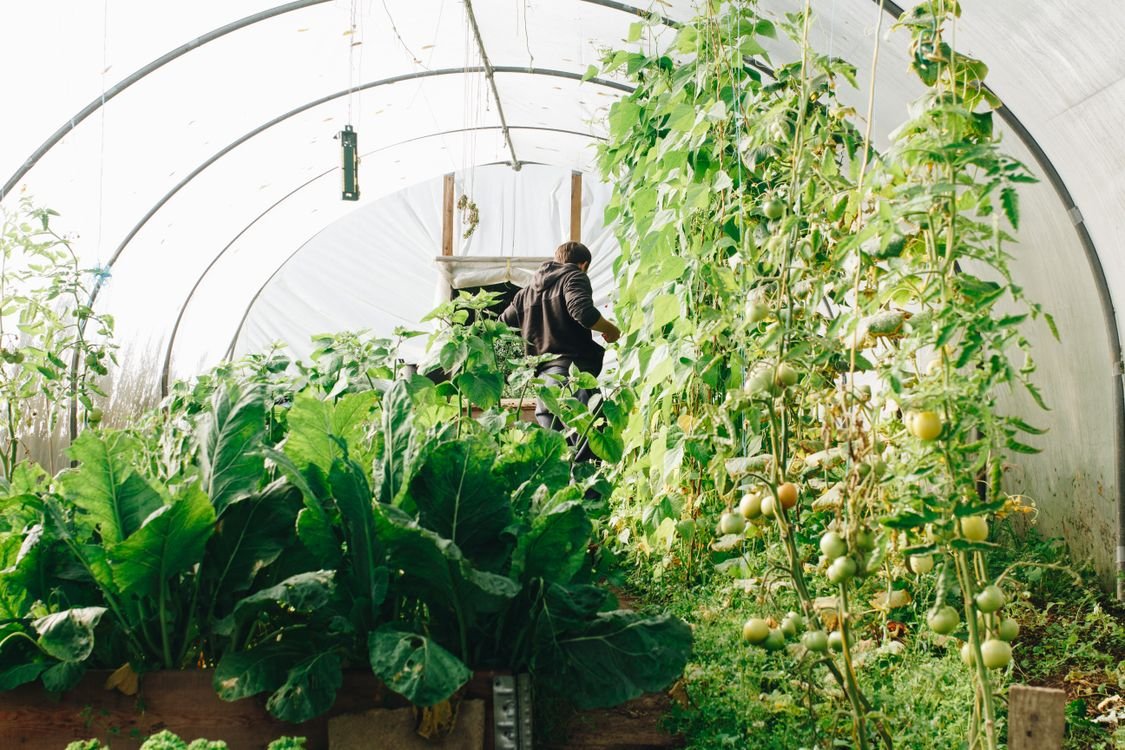
Composting is one of the most impactful things a homeowner can do for their lawn, garden, and the environment. As detailed in the EPA’s composting guide, you’re converting kitchen and yard waste—material that would otherwise go to landfill—into a nutrient-rich soil amendment that dramatically improves plant growth. And it costs almost nothing. Once you have finished compost, our guide on how to use compost effectively in your garden covers every application method.
This beginner’s guide takes you through everything you need to know to start a successful compost pile.
Why Compost?
For your garden and lawn:
- Adds organic matter that improves soil structure, drainage, and water retention
- Feeds soil biology—the bacteria, fungi, and other microorganisms that support plant health
- Provides slow-release nutrients without the risk of chemical burn
- Suppresses certain soil-borne diseases
- Reduces the need for synthetic fertilizers
For the environment:
- Diverts food and yard waste from landfills (food waste in landfills produces methane, a potent greenhouse gas)
- Reduces your household waste volume
- Produces a locally sourced soil amendment rather than purchasing peat moss or other products with high environmental costs
For you:
- Free soil amendment worth $30–$60 per cubic yard if purchased—compost is the most important ingredient in the best soil for raised vegetable garden beds
- Reduces waste disposal needs
- Satisfying—turning waste into a resource feels good
What Can You Compost?
Greens (Nitrogen-Rich Materials)
Greens provide nitrogen, moisture, and the microbial activity that drives decomposition. Add smaller quantities.
Kitchen greens:
- Fruit and vegetable scraps (peels, cores, tops, rinds)
- Coffee grounds and paper filters
- Tea bags (remove staples)
- Fresh grass clippings
- Fresh garden trimmings
Yard greens:
- Fresh green grass clippings
- Plant trimmings and deadheading
- Weeds (without seed heads)
Browns (Carbon-Rich Materials)
Browns provide carbon, structure, and aeration. Add larger quantities.
Browns to use:
- Dry fallen leaves (best compost ingredient available in fall)
- Straw and hay
- Paper (newspaper, cardboard torn into small pieces)
- Wood chips and shavings
- Paper bags, paper towels, cardboard (no glossy coating)
- Paper egg cartons
- Dried plant stems
What NOT to Compost
Avoid these materials:
- Meat, fish, bones, and dairy products (attract pests; create odors)
- Oily or fatty foods
- Pet waste (dogs, cats)—can contain pathogens harmful to humans
- Diseased plants—pathogens can survive if the pile doesn’t heat up adequately
- Invasive weeds with established roots or seed heads
- Black walnut leaves or shells (allelopathic; inhibit plant growth)
- Coal ash (wood ash is fine in small quantities)
- Glossy or colored paper
The Green-to-Brown Ratio
This is the key to successful composting. The ideal carbon-to-nitrogen ratio in your pile is approximately 25–30 parts carbon (brown) to 1 part nitrogen (green) by weight.
In practical terms: use about 3 parts brown material to 1 part green material by volume.
If your pile:
- Smells like ammonia or rotten eggs: Too many greens (nitrogen). Add more browns; turn the pile.
- Isn’t breaking down: Too many browns (carbon) or too dry. Add more greens or water; turn the pile.
- Is too wet and slimy: Too many wet greens; add more dry browns.
The ratio is a guideline, not an exact prescription. Most successful composters develop an intuitive feel for it over time.
Choosing a Composting Method
Open Pile
Simply pile materials in a corner of the yard. Most beginner-friendly but slowest (6–18 months) and can look messy.
Best for: Large quantities of leaves and yard waste; homeowners with space.
Bin Composting
A three-sided or four-sided structure containing the pile. Faster decomposition (3–6 months) and neater appearance.
Types:
- DIY wood pallet bin: Free; easy to make; good airflow
- Wire cylinder: Inexpensive; easy to assemble; good aeration
- Plastic compost bin: Purchased from garden stores; covered; retains moisture well; somewhat slower than open systems due to limited aeration
Hot Composting (Active)
The fastest method (4–12 weeks for finished compost) but requires more effort.
How it works: A pile of at least 1 cubic yard is assembled all at once with the right ratio of materials; temperatures reach 130–160°F; pile is turned every 3–5 days; finished compost in 4–12 weeks.
Benefits: Heat kills weed seeds, pathogens, and pest larvae; fastest finished product.
Vermicomposting (Worm Composting)
Indoor composting using red wiggler worms. Excellent for kitchen scraps; finished compost (worm castings) in 2–3 months.
Best for: Apartments; small households; people who want to compost primarily kitchen waste.
Setup: A worm bin (plastic storage bin with drainage and ventilation holes, or purchased unit); bedding (moist torn newspaper); red wiggler worms (Eisenia fetida, available online or from bait shops).
Setting Up Your First Compost System
Location
- Accessible year-round
- Level ground with good drainage
- Partial shade (prevents drying in summer; freezing in winter still happens in cold climates but isn’t a problem)
- Near the garden where you’ll use the compost
- Away from property lines (if odor management could be an issue with neighbors)
Building Your First Pile
Lasagna method (easiest for beginners):
- Start with a 4–6 inch layer of coarse brown material (wood chips, straw, or twigs) at the bottom for drainage and aeration
- Add 1–2 inches of green material (kitchen scraps, fresh grass clippings)
- Add 3–4 inches of brown material (leaves, paper)
- Repeat layers; moisten each layer as you add it
- Finish with a brown layer on top to prevent odors and deter pests
Moisture Management
A healthy compost pile should feel like a wrung-out sponge—moist but not dripping. Water a dry pile; add more browns to a pile that’s too wet.
In dry climates, cover the pile with cardboard or a tarp to retain moisture. In very rainy climates, a covered bin or tarp prevents over-saturation.
Turning the Pile
Turning the pile introduces oxygen, which accelerates decomposition dramatically.
Active (hot) composting: Turn every 3–5 days. Passive (cold) composting: Turn monthly or every few months. Minimal effort approach: Turn twice a year; finished compost in 12–18 months.
Use a pitchfork or compost turning tool. Move the outer material to the center where it gets more heat. A properly turned hot pile can reach 130–160°F—hot enough to kill weed seeds and pathogens.
What Finished Compost Looks Like
Finished compost:
- Dark brown to black in color
- Earthy, forest-floor smell (not rotten or ammonia-like)
- Crumbly, uniform texture
- Original materials are no longer recognizable
If large pieces of original material remain, they can be screened out and returned to the active pile.
Troubleshooting Common Problems
Odor (ammonia-like): Too much nitrogen. Add carbon (browns); turn the pile. Odor (rotten egg / sulfur): Anaerobic (not enough oxygen). Turn the pile; add bulky browns to improve aeration. Pests (flies, rodents): Meat/dairy in the pile (remove immediately); bury fresh food scraps in the center of the pile; use a covered bin. Not heating up: Too dry; too much carbon; pile too small. Add water and greens; turn more frequently. Too wet and slimy: Too many wet greens. Add dry browns; turn pile. Slow decomposition: Cold weather (normal—slows in winter); pile too small; insufficient nitrogen. Be patient; add greens; shred materials smaller before adding.
Getting Started Today
You don’t need any special equipment to start composting. Here’s the simplest possible beginning:
- Pick a corner of your yard
- Collect kitchen scraps in a container with a lid on your counter
- Empty it in your pile every few days
- Add leaves or cardboard when you add food scraps (3:1 ratio of browns to greens)
- Keep it moist
- Wait
A simple pile can take 6–12 months to produce usable compost using this passive approach—but you’re diverting waste and building a soil resource the whole time.
Composting is one of the most satisfying and beneficial things you can do as a gardener. Once you start, it quickly becomes a habit—and the compost you produce becomes one of your most valuable garden resources. For a broader look at improving soil health, see our guide to the best soil amendments for lawns and gardens.