Lawn Mowing Tips: How to Cut Grass Like a Pro
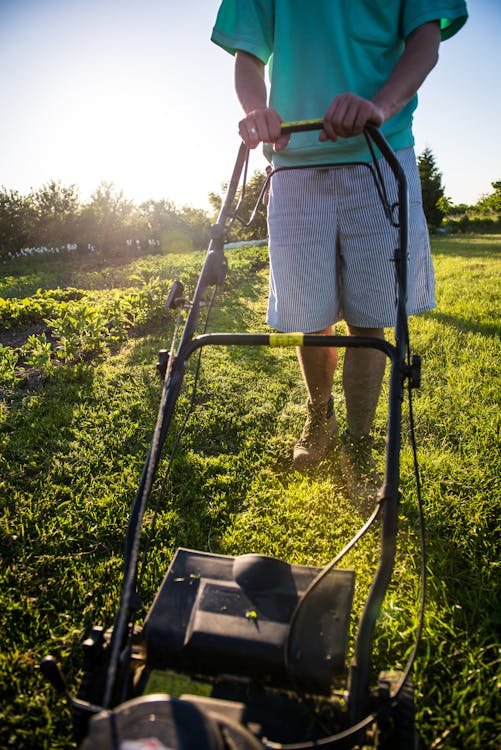
Most homeowners mow their lawns regularly—but mowing incorrectly can actually harm your grass more than help it. From scalping to dull blades to skipping the right pattern, small mowing mistakes compound over a season into a weaker, disease-prone lawn. Here’s how to mow like a pro.
The Golden Rule: The One-Third Rule
The most important principle in mowing is never removing more than one-third of the grass blade height in a single mowing session.
Here’s why this matters: grass blades are the solar panels of the plant. When you remove too much blade at once, the plant goes into stress mode—diverting energy from roots to blade regrowth. This weakens the root system, makes grass more vulnerable to drought and disease, and causes that brown “scalped” look you see in lawns that are cut too aggressively.
Practical application: If your target mowing height is 3 inches, mow before the grass exceeds 4.5 inches. If it’s gotten away from you and reached 6 inches, bring it down gradually—first to 4.5 inches, wait a few days, then to 3 inches.
Mowing Height by Grass Type
Different grasses have different optimal cutting heights. Mowing too short weakens roots; mowing too tall promotes disease and can smother growth. For a full breakdown by species, see our dedicated guide on the best height to cut grass.
Cool-Season Grasses:
- Kentucky Bluegrass: 2.5–3.5 inches
- Tall Fescue: 3–4 inches
- Fine Fescue: 2.5–3.5 inches
- Perennial Ryegrass: 2–3 inches
Warm-Season Grasses:
- Bermuda Grass: 0.5–1.5 inches
- Zoysia Grass: 1–2.5 inches
- St. Augustine: 3–4 inches
- Centipede Grass: 1.5–2 inches
Adjust height seasonally: During peak summer heat, raise your mowing height by ½–1 inch. Taller grass shades soil, conserves moisture, and withstands heat stress better.
How Often Should You Mow?
Mowing frequency should follow growth rate, not the calendar. During peak spring growth, you may need to mow every 4–5 days. During summer drought stress, every 10–14 days may be sufficient.
Signs it’s time to mow:
- Grass has grown approximately 50% above your target height
- Grass tips look ragged and discolored (means it needs cutting)
- Clipping volume is thin enough to avoid matting when left on the lawn
Avoid mowing on a rigid weekly schedule—instead, check the lawn and let growth dictate timing.
Mowing Patterns: Why They Matter
Mowing in the same direction every time causes grass to lean in one direction (called “grain”), which reduces visual appeal and can compact soil over time. Alternating mowing patterns produces a more upright, healthy turf.
Pattern options:
- Stripes: Mow in straight parallel lines, alternating direction each session. Creates that classic ballpark look.
- Diagonal: Mow at 45-degree angles for visual variety.
- Checkerboard: Mow stripes perpendicular to the previous session’s stripes.
- Spiral: Start at the outer edge and work inward in a spiral pattern.
Alternating between a few patterns throughout the season produces the most even, healthy lawn.
Sharp Blades: Non-Negotiable
A dull mower blade doesn’t cut grass—it tears it. You can see the difference: clean cuts produce sharp, even tips that quickly dry. Torn blades have ragged, frayed ends that turn brown and allow fungal pathogens to enter the plant.
Signs your blade needs sharpening:
- Grass tips look brown or frayed 1–2 days after mowing
- Lawn looks dull and grayish rather than bright green after mowing
- Mower seems to be pulling rather than cutting through grass
Sharpening schedule:
- Sharpen after every 20–25 hours of use, or approximately every 20,000 sq ft of mowing
- For most homeowners, this means sharpening 1–2 times per season
- A blade replacement costs $10–$20; a professional sharpening service charges $10–$15
Best Time of Day to Mow
Ideal: Mid-morning (8–10 AM) after morning dew has dried but before peak afternoon heat. Dry grass cuts more cleanly, and cutting in cooler temperatures reduces stress.
Acceptable: Late afternoon (4–6 PM) once temperatures begin to drop.
Avoid:
- Early morning: Wet dew causes uneven cuts and can spread fungal disease.
- Midday peak heat: Mowing in 90°F heat stresses grass and the person doing the mowing.
- Evening: Freshly cut grass exposed to night humidity is more prone to fungal disease.
Clippings: Bag or Mulch?
Mulch clippings when:
- Clippings are short enough not to form clumps (following the one-third rule)
- You want to return nitrogen to the lawn (mulched clippings contribute the equivalent of one fertilizer application per season — though you should still follow a proper lawn fertilizer schedule for complete nutrition)
- You have a mulching mower
Bag clippings when:
- Lawn is overly long and clippings would clump and smother grass
- Lawn has active fungal disease and you want to avoid spreading it
- You’ve applied granular herbicide recently and don’t want clippings in compost
The myth that mulching clippings causes thatch is not supported by evidence. Clippings decompose quickly and do not significantly contribute to thatch buildup.
Mowing Wet Grass: Try to Avoid It
Mowing wet grass causes several problems:
- Clumping: Wet clippings stick together, smother grass beneath, and create disease pockets
- Uneven cutting: Wet grass bends under the mower rather than standing upright
- Soil compaction: Wet soil compacts more easily under mower weight
- Discharge clogs: Wet grass clogs mower chutes and deck
If you must mow wet grass (a vacation approaches, growth is out of control), reduce speed significantly, raise the deck height, and clear clumps from the lawn surface after mowing.
Common Mowing Mistakes to Fix Today
- Mowing in the heat of the day: Causes stress and increases water loss.
- Never changing patterns: Causes ruts, soil compaction, and directional grain.
- Cutting too short: Scalping is the fastest way to ruin a lawn.
- Mowing with a dull blade: Torn blades = brown lawn and disease entry.
- Ignoring mower maintenance: Beyond blade sharpness, check deck height calibration, tire pressure (affects deck levelness), and air filter condition.
Mower Maintenance Tips
A well-maintained mower does a better job and lasts longer:
- Check oil before each use (older 4-stroke engines)
- Clean the deck after each mow to prevent rust and buildup
- Check tire pressure: Unequal pressure causes the deck to sit unevenly and scalp on one side
- Replace spark plug annually for consistent starting
- Drain or stabilize fuel before winter storage
Mowing is the most frequent lawn care task you’ll perform all season. Getting the technique right makes every other lawn care investment—seed, fertilizer, water—work better. If you’re in the market for new equipment, check out our roundup of the best lawn mowers for yards of every size to find the right fit. And remember: good mowing pairs with proper lawn watering to keep your grass at its healthiest. Your lawn will thank you.