Yellow Grass: Causes and How to Fix It
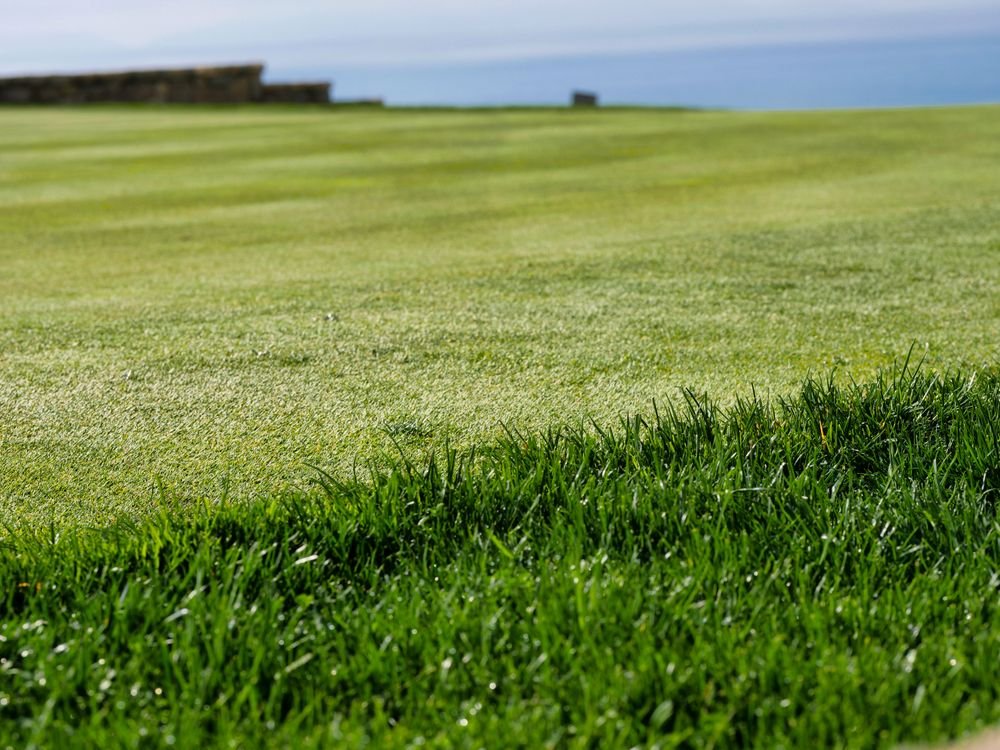
Yellow grass is one of the most common complaints in lawn care—and one of the trickiest to diagnose, because many different problems produce the same symptom. Is it drought? Nitrogen deficiency? Overwatering? Disease? Mowing with a dull blade? Each cause requires a different fix, and applying the wrong treatment can make things worse. If your grass is going beyond yellowing and actually dying off in patches, the broader diagnostic guide on why your grass is dying covers additional causes like pests, compaction, and disease.
This guide walks through the most common causes of yellowing grass and how to identify and correct each one.
Pattern Matters: Reading Your Lawn’s Signals
Before guessing at a cause, observe the pattern of yellowing carefully. The distribution of yellow areas tells you a great deal:
- Uniform yellowing across the entire lawn: Likely nutrient deficiency, overwatering, or dormancy
- Striped yellow pattern: Uneven fertilizer application or mower tracks
- Circular yellow patches: Disease, grubs, or dog urine damage
- Yellowing in low spots: Overwatering or poor drainage
- Yellowing near pavement: Heat stress or salt damage
- Yellowing in shade areas: Shade stress or different soil conditions
Cause 1: Nitrogen Deficiency
What it looks like: Uniform, pale yellow-green across the entire lawn or in patches. Older, lower leaves yellow first (nitrogen is mobile in plants—deficiency symptoms appear in oldest tissue first). Growth is slow.
Why it happens: Insufficient fertilization; heavy rainfall leaching nitrogen from sandy soils; grass has been mowing frequently and bagging clippings (removes recycled nitrogen).
How to fix:
- Apply a nitrogen fertilizer at 0.75–1 lb actual nitrogen per 1,000 sq ft
- For fast results, use a quick-release nitrogen source (water-soluble urea)
- For sustained improvement, follow up with a slow-release product and stick to a consistent lawn fertilizer schedule going forward
- Results are visible within 5–7 days of application + irrigation
Cause 2: Iron Deficiency / Chlorosis
What it looks like: Yellowing between the veins while veins themselves remain green (called interveinal chlorosis). Affects newest growth first (unlike nitrogen deficiency which affects oldest growth). Common in warm-season grasses, especially Bermuda and St. Augustine.
Why it happens: Iron is unavailable to plants when soil pH is above 7.0 (alkaline). The iron may be present in the soil but chemically locked up. Also occurs in waterlogged soils and in very sandy soils.
How to fix:
- Apply chelated iron (Ironite, liquid chelated iron) for fast results—grass greens up within days
- Long-term fix: Lower soil pH with elemental sulfur if pH is the underlying cause
- Avoid applying iron in temperatures above 85°F; can cause burn
Cause 3: Overwatering
What it looks like: Yellow-green discoloration; spongy, wet soil; algae or moss growth; fungal disease may be present. Grass may have shallow roots.
Why it happens: Daily, shallow watering keeps soil constantly moist, suffocating roots (they need oxygen) and creating disease-favorable conditions.
How to fix:
- Stop all irrigation for several days; allow soil to partially dry
- Switch to deep, infrequent watering (1 inch per week in 1–2 sessions). Our lawn watering guide explains how to transition from shallow, frequent watering to the deep schedule that encourages healthy root growth.
- If disease is present (check for fungal signs), apply appropriate fungicide
- Core aerate to improve drainage and air movement to root zone
Cause 4: Underwatering / Heat Dormancy
What it looks like: Tan-brown to yellow-gray coloration; grass doesn’t spring back when walked on; starts in sunny areas and spreads.
How to distinguish from disease: Pull on a brown blade—if it comes up cleanly without any root attached, the plant may be dead. If it resists pulling and the crown is firm and cream-colored, it’s dormant but alive.
How to fix:
- Begin consistent irrigation (1 inch per week)
- Cool-season grass recovers from dormancy when temperatures cool in fall
- If soil is very hard and water-repellent (hydrophobic), apply a wetting agent first to allow water penetration
Cause 5: Dull Mower Blade
What it looks like: Grass tips turn yellow or brown 1–2 days after mowing; lawn looks dull and grayish; torn, ragged blade tips are visible up close.
Why it happens: A dull blade tears grass rather than cutting it. Torn blades lose moisture and are more vulnerable to fungal disease; the damaged tips turn yellow or tan.
How to fix:
- Sharpen mower blade or replace if nicked or damaged
- Blades should be sharpened every 20–25 hours of mowing or approximately every 20,000 sq ft of mowing
- After sharpening, the yellowed tips will grow out within 1–2 weeks
Cause 6: Soil pH Problem
What it looks like: Widespread yellowing despite regular fertilization; fertilizer doesn’t seem to help; some areas may be worse than others.
Why it happens: Soil that is too acidic (below 6.0) or too alkaline (above 7.5) locks up nutrients in chemical forms that roots can’t absorb—even when those nutrients are physically present.
How to fix:
- Test soil pH ($15–$20 soil test from your cooperative extension). Our guide on how to test and adjust lawn pH walks through both DIY test kits and professional soil tests, plus the exact amendment rates for different soil types.
- Low pH (acidic): Apply ground limestone; 50 lbs per 1,000 sq ft raises pH approximately 0.5–1 point (takes 3–6 months)
- High pH (alkaline): Apply elemental sulfur; rate and speed depend on soil type (takes several months)
Cause 7: Fungal Disease
What it looks like: Yellow patches with distinctive patterns; may have brown spots or rings; often appears after warm, wet weather.
Common diseases causing yellowing:
- Rust disease: Orange-yellow powdery spores on blades (like rust on metal); blades turn yellow and die
- Dollar spot: Yellow-brown spots the size of silver dollars; common when nitrogen is low
- Yellow patch: Large yellow rings or patches; cool-weather disease
- Pythium: Greasy-looking yellow to brown collapse; fast-spreading
How to fix:
- Identify the specific disease
- Apply appropriate fungicide (propiconazole, azoxystrobin, or chlorothalonil depending on disease)
- Correct cultural conditions (irrigation timing, nitrogen levels, thatch depth)
Cause 8: Soil Compaction
What it looks like: Thin, pale, struggling grass in high-traffic areas; water runs off rather than soaking in.
How to fix:
- Core aerate in the appropriate season for your grass type
- Topdress with compost after aerating
- Overseed if grass is thin
- Redirect or reduce traffic in affected areas
Cause 9: Salt Damage
What it looks like: Yellow or brown discoloration along the edge of sidewalks, driveways, or roads; especially after winter deicing.
Why it happens: Road salt (sodium chloride) and deicing chemicals accumulate in soil along paved surfaces, burning roots and disrupting water uptake.
How to fix:
- Flush affected areas heavily with water to leach salt from the root zone
- Apply gypsum (calcium sulfate) to help displace sodium ions
- Use salt-alternative deicers (calcium magnesium acetate, sand) near grass
Cause 10: Grub Damage
What it looks like: Irregular yellow-brown patches that seem to pull up from the soil like a carpet; birds, skunks, or raccoons may be digging in affected areas.
Why it happens: White grub larvae feed on grass roots below the soil surface, severing the water and nutrient supply.
How to fix:
- Inspect soil for white C-shaped grubs (5+ per square foot indicates a problem)
- Apply appropriate insecticide (imidacloprid preventively; trichlorfon curatively)
- Overseed bare areas after grub control is achieved
Quick Diagnostic Summary
| Yellowing Pattern | Most Likely Cause |
|---|---|
| Uniform, whole lawn | Nitrogen deficiency or pH |
| Newest growth yellows first, veins stay green | Iron deficiency |
| After mowing, tips yellow | Dull mower blade |
| Spongy wet soil | Overwatering |
| Circular patches | Disease or grubs |
| Near pavement edges | Salt damage |
| Stripes matching mowing rows | Fertilizer skips |
Yellow grass is telling you something. Observing the pattern, checking soil moisture, and testing pH are your first steps to diagnosing the cause. Once you know the cause, the fix is usually straightforward.