Zoysia Grass: Pros, Cons, and Care Tips
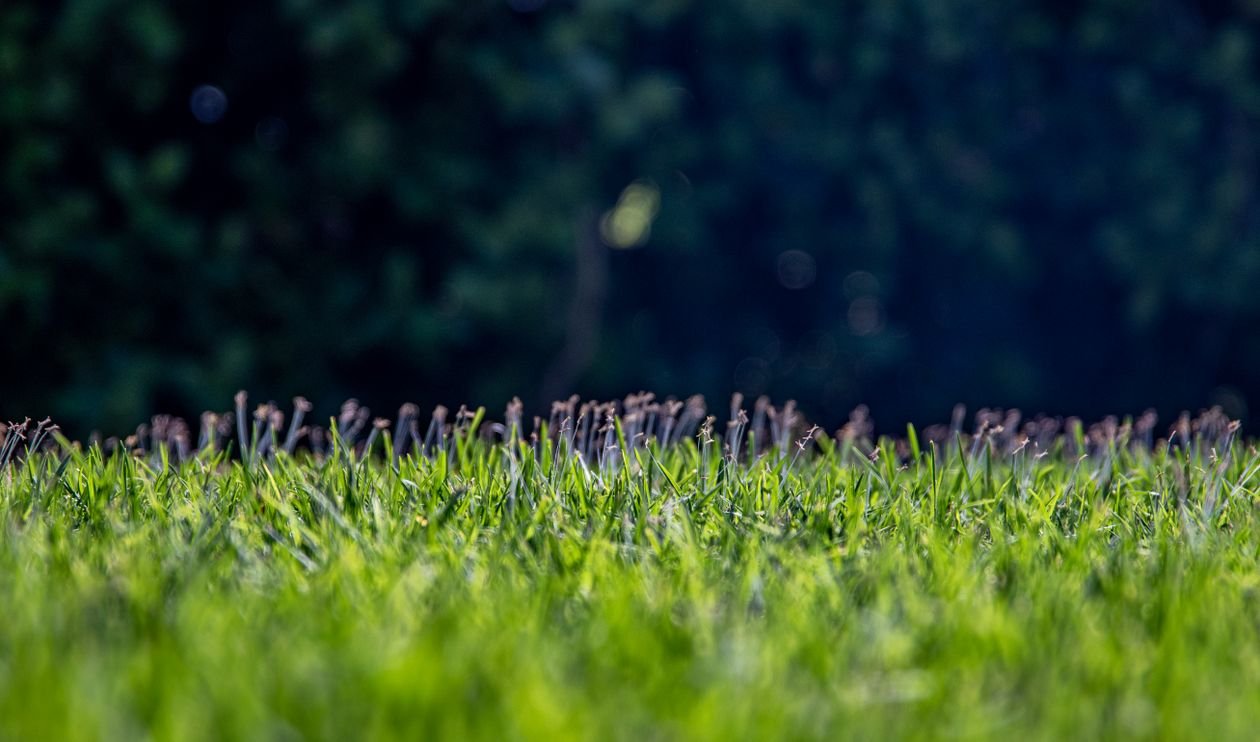
Zoysia grass occupies a unique niche in the turfgrass world: a warm-season grass with better shade and cold tolerance than most of its competitors, a luxury appearance that rivals premium cool-season lawns, and a slow-growing nature that reduces mowing frequency. But Zoysia also has real drawbacks that every homeowner should understand before choosing it.
What Is Zoysia Grass?
Zoysia is a warm-season grass native to Southeast Asia that has become widely adapted across the transition zone and South of the United States. It spreads via stolons and rhizomes, creating an extremely dense, carpet-like turf that many consider the most attractive of all warm-season grasses. If you’re weighing your options, it’s worth comparing Zoysia against Bermuda grass, which offers more aggressive growth and faster establishment in similar climates.
Best climate zones: USDA zones 6–9 (transition zone and South) Peak regions: Southeast, Mid-Atlantic, Lower Midwest, transitional areas of the Midwest
Zoysia Grass Varieties
There are several distinct Zoysia species and cultivars with different characteristics:
Zoysia japonica varieties (coarser texture):
- El Toro: Rapid establishment, good cold tolerance, coarser blade. Great for transition zone.
- Empire: Excellent shade tolerance, drought resistance. Popular in Southeast.
- Palisades: Broad, coarse blade but exceptional cold hardiness.
Zoysia matrella varieties (finer texture):
- Zeon: Very fine blade, excellent shade and drought tolerance. Premium appearance.
- Diamond: Ultra-fine blade, low mowing height, resembles bentgrass. High-end choice.
Zoysia tenuifolia (Korean or Mascarene grass):
- Very fine, moss-like texture
- Cannot tolerate low mowing; forms an undulating, bumpy surface
- Specialty ground cover more than a mowing turf
Pros of Zoysia Grass
Exceptional density: Zoysia forms the thickest, most weed-resistant turf of any warm-season grass. Once established, it’s nearly impenetrable to weeds.
Good shade tolerance: While still preferring full sun, Zoysia performs better than Bermuda in partial shade (4–5 hours of direct sun minimum for most varieties).
Drought tolerance: Deep roots and low water use make Zoysia more drought-tolerant than cool-season grasses—though for the driest climates, you may want to compare it against other drought-tolerant lawn grasses before deciding.
Soft texture: Fine-bladed Zoysia varieties have a luxurious, soft feel underfoot—a significant plus over coarser grasses.
Low fertilizer needs: Zoysia requires less nitrogen than Bermuda, reducing fertilizer costs and maintenance.
Good cold tolerance: Better cold hardiness than Bermuda, allowing growth in Zone 6 transition climates.
Lower mowing frequency: Slow growth means you mow less often—a significant time advantage for busy homeowners.
Cons of Zoysia Grass
Slow establishment: Zoysia is the slowest-establishing major turfgrass. Sod takes 2–3 months to fully root; plugs take 1–2 years to fill in completely. Patience is essential.
Extended dormancy period: Zoysia goes dormant (brown) at the first frost and stays brown well into spring—often the last warm-season grass to green up. In Zone 7, this can mean 5–6 months of brown lawn.
Thatching tendency: Zoysia produces thatch rapidly due to its dense growth. Annual or biennial dethatching is often necessary.
Difficult to remove: The same traits that make Zoysia a great lawn grass—dense growth, rhizomes and stolons—make it extremely difficult to eliminate if you change your mind. Herbicide renovation takes multiple applications over multiple seasons.
Limited sun flexibility: Despite better shade tolerance than Bermuda, Zoysia still needs at least 4–5 hours of direct sunlight. True deep shade remains problematic.
Expense: Sod costs significantly more than most alternatives, and plugging takes years to fill in.
How to Care for Zoysia Grass
Mowing
Recommended height by variety:
- Coarser varieties (El Toro, Empire): 1.5–2.5 inches
- Fine varieties (Zeon, Diamond): 0.75–1.5 inches
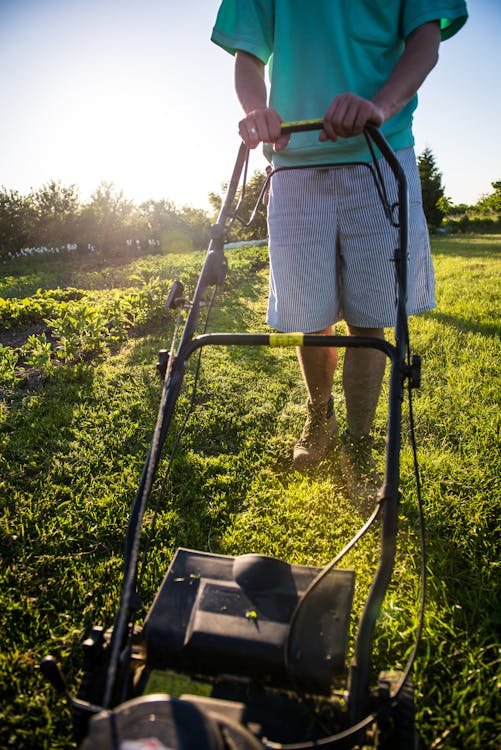
Mowing frequency: Zoysia grows slowly—weekly mowing is rarely necessary except during peak growth in summer. Every 10–14 days is common during active growth. Setting the correct mowing height for your grass type is especially critical with Zoysia, since cutting too low damages the dense mat and invites weeds.
Equipment: Zoysia’s density and low cut requirement often call for a reel mower for fine varieties. A sharp rotary mower works fine for coarser varieties at 1.5 inches and above. Dull blades leave Zoysia looking shredded rather than cut.
Season adjustments: Like all warm-season grasses, raise height slightly during heat stress and late fall. Final mowing in fall should leave grass at about 1.5–2 inches for coarser varieties.
Watering
Zoysia is genuinely drought-tolerant once established. During droughts, it will brown and go semi-dormant, then green up when rain returns.
Active growth watering: 1 inch per week, applied in 1–2 deep sessions. Established, drought conditions: Allow to go semi-dormant; deep water every 2 weeks to maintain some activity. New sod/plugs: Water daily for the first 2–3 weeks; then transition to deep, infrequent schedule over the following month.
Zoysia responds poorly to chronically wet soil. Avoid daily, shallow watering—it promotes disease and thatch buildup. Our lawn watering guide covers how to dial in the right irrigation frequency and depth for warm-season grasses like Zoysia.
Fertilizing Zoysia
Zoysia is a lighter feeder than Bermuda, which is one of its maintenance advantages.
Annual nitrogen budget: 1–3 lbs of nitrogen per 1,000 sq ft per year
Fertilizing schedule:
- Late spring green-up (April–May): 0.5–0.75 lb N per 1,000 sq ft as turf is 50% green
- Early summer (June): 0.75–1 lb N per 1,000 sq ft
- Midsummer (July): 0.5–0.75 lb N per 1,000 sq ft
- Late summer (August): Optional 0.5 lb N; stop nitrogen by mid-August in cooler zones
Important: Avoid high nitrogen applications in spring before Zoysia is fully green—late spring frosts can damage actively growing turf.
Potassium: Apply a potassium-rich fertilizer in early fall to improve cold hardiness—especially important in transition zone climates.
Iron: Like Bermuda, Zoysia responds positively to iron treatments for improved color. Apply chelated iron in summer.
Thatch Management
Zoysia is a prolific thatch producer. Thatch layers exceeding ½ inch impede water and nutrient penetration and increase disease risk.
Prevention: Don’t over-fertilize with nitrogen; avoid daily watering; maintain proper mowing height. Control: Dethatch annually or every two years in late spring as grass begins active growth. Use a power dethatcher or vertical mower. The lawn looks rough afterward but recovers within 3–4 weeks.
Aeration
Aerate Zoysia annually or every other year in late spring (May–June) using a core aerator. Aeration is especially important for:
- Heavy clay soils
- High-traffic areas
- Lawns with significant thatch
Weed Control in Zoysia
A well-established Zoysia lawn is one of the most weed-resistant turfs available. The density simply leaves no room for weeds. However, during establishment and in thin or stressed areas, weed pressure can be significant.
Pre-emergent: Apply in early spring (soil temps 50–55°F) for crabgrass prevention. Post-emergent: Most broadleaf herbicides are safe on Zoysia. Read labels carefully—some herbicides for cool-season grasses will damage Zoysia.
Seasonal Zoysia Calendar
Spring (March–April): Wait for full green-up before first mow. Apply pre-emergent. Begin light fertilizing. Summer (May–August): Active growth season. Mow every 10–14 days. Fertilize monthly. Monitor for thatch. Fall (September–October): Reduce nitrogen, apply potassium. Dethatch if needed. Enjoy the late-season growth before dormancy. Winter (November–March): Dormancy. No care required beyond keeping debris off the brown turf. Zoysia should not be driven on or compacted during dormancy.
Zoysia grass rewards patient homeowners with one of the most beautiful, weed-resistant, low-maintenance lawns available in warm climates. Just understand its limitations—particularly slow establishment and extended dormancy—before committing.